
Arts Family Dentistry
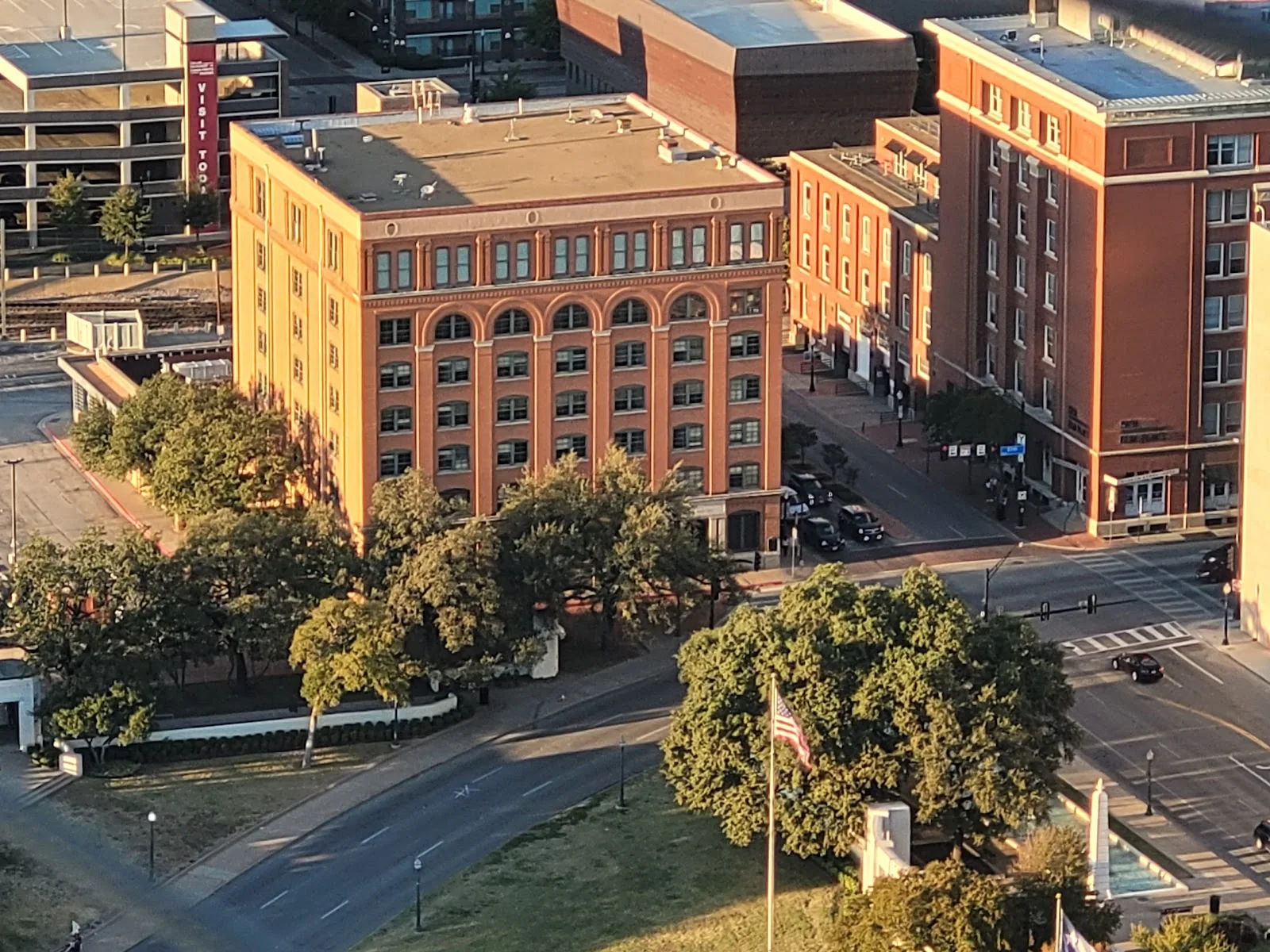
102, 803, West Davis Street, Kessler, Dallas, Texas
Open until 6 PM
Documented for dental implants in Dallas, with tooth decay treatment on the service list and 21 procedures on file.
Read full descriptionHide
Arts Family Dentistry operates on West Davis Street in the Kessler area of Dallas, Texas. Implants are considered by many dentists the most durable way to replace a missing tooth, since the titanium post fuses with the jaw bone over several months and then supports a crown that functions much like a natural tooth. Enough healthy bone is the main prerequisite, and a graft can build that up first if needed.
Clear aligners straighten teeth through a series of custom, removable trays, each worn for one to two weeks before moving to the next in the sequence. They suit mild to moderate crowding and spacing well, and are worn roughly twenty to twenty-two hours a day for treatment to stay on schedule.
Traditional braces use brackets and wires to gradually move teeth into alignment, handling complex bite corrections and significant crowding more predictably than removable alternatives. Treatment commonly runs one to three years, with a retainer worn afterward to hold the result.
A veneer is a thin custom shell bonded to the front of a tooth to change its shape, length, or colour, most often used to address chips, gaps, or discoloration that whitening alone cannot fix. Traditional veneers require a small amount of enamel to be removed, which makes the change permanent.
Cosmetic treatment is generally the least invasive branch of dentistry, built around changing how teeth look rather than fixing something broken. Whitening and bonding sit at the lighter end; veneers and reshaping involve more planning. Most cosmetic dental insurance excludes this kind of work, since it is elective rather than medically necessary.
Root canal treatment removes infected or inflamed tissue from inside a tooth, cleans and seals the space, and allows the natural tooth to be kept rather than extracted. Its reputation for being painful is largely outdated — carried out under local anaesthetic, it typically relieves pain rather than causing it. You can reach Arts Family Dentistry through this page to ask a question, check current availability, or request an appointment.