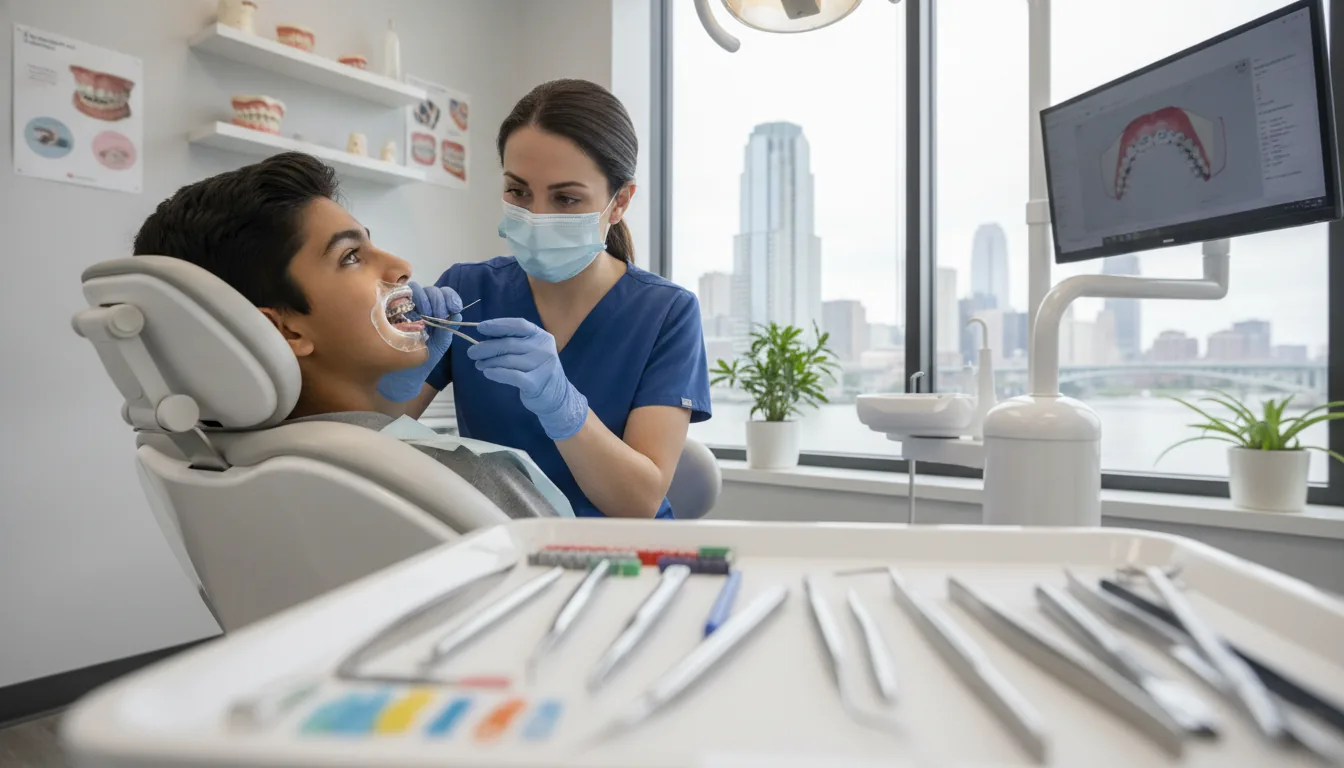
Brooklyn Mint Dental (Dr. Alice Hoang) runs a solo practice on Pacific Street in Boerum Hill, a few blocks from the Atlantic Avenue commercial corridor. The format is genuinely solo — one named dentist, smaller team, longer visit pace — which gives it a different rhythm than the multi-dentist group practices that dominate the corridor. Patients here tend to value the continuity of seeing the same dentist across appointments rather than rotating through providers.
Routine fillings cover a steady share of the schedule. Dr. Hoang handles tooth-colored composite restorations as the default material, with single-surface and multi-surface fillings, replacement work when older restorations have failed, and the diagnostic call between filling and crown when more tooth structure has been lost. Beyond fillings, services include cleanings and exams, root canals, crowns and bridges, extractions, gum-disease screening, and emergency dental care. The visit pace tends to allow longer chair-side conversations about treatment options than chain offices typically support, where the time pressure can flatten the diagnostic discussion.
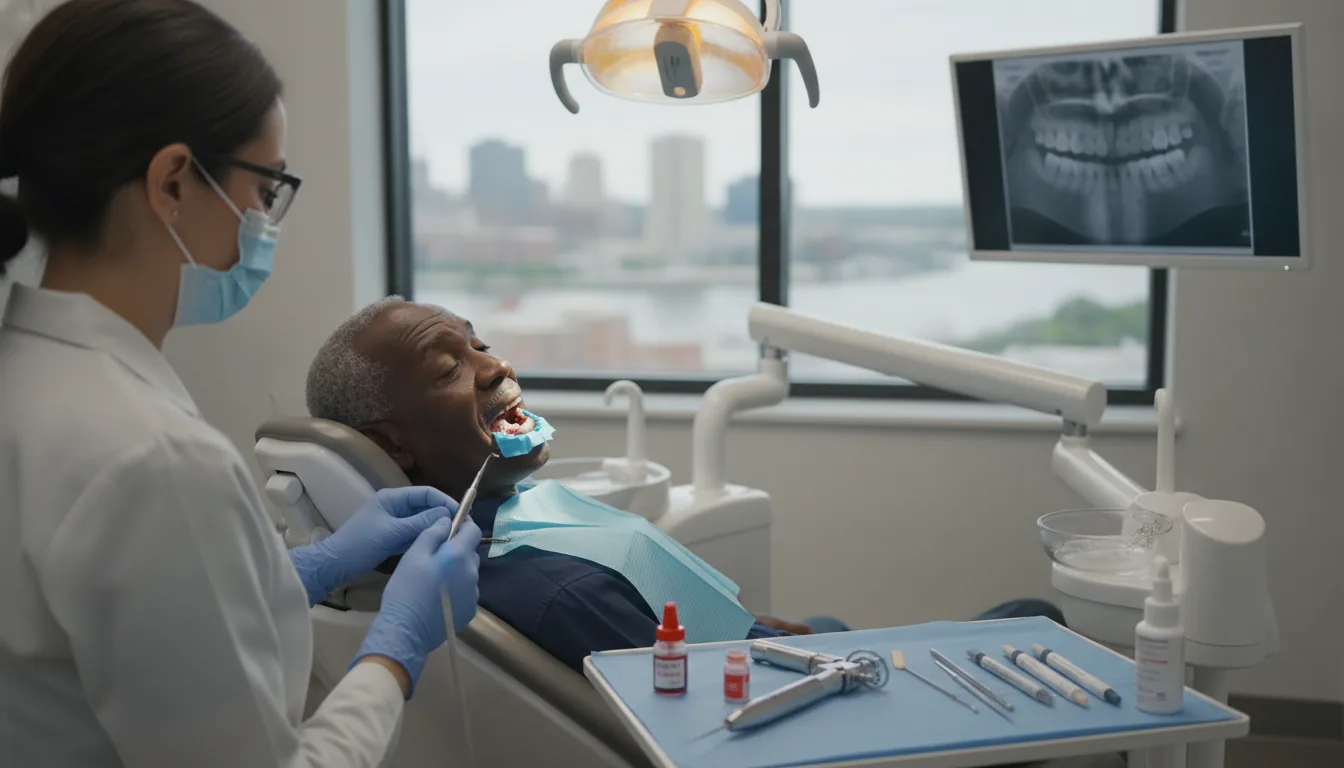
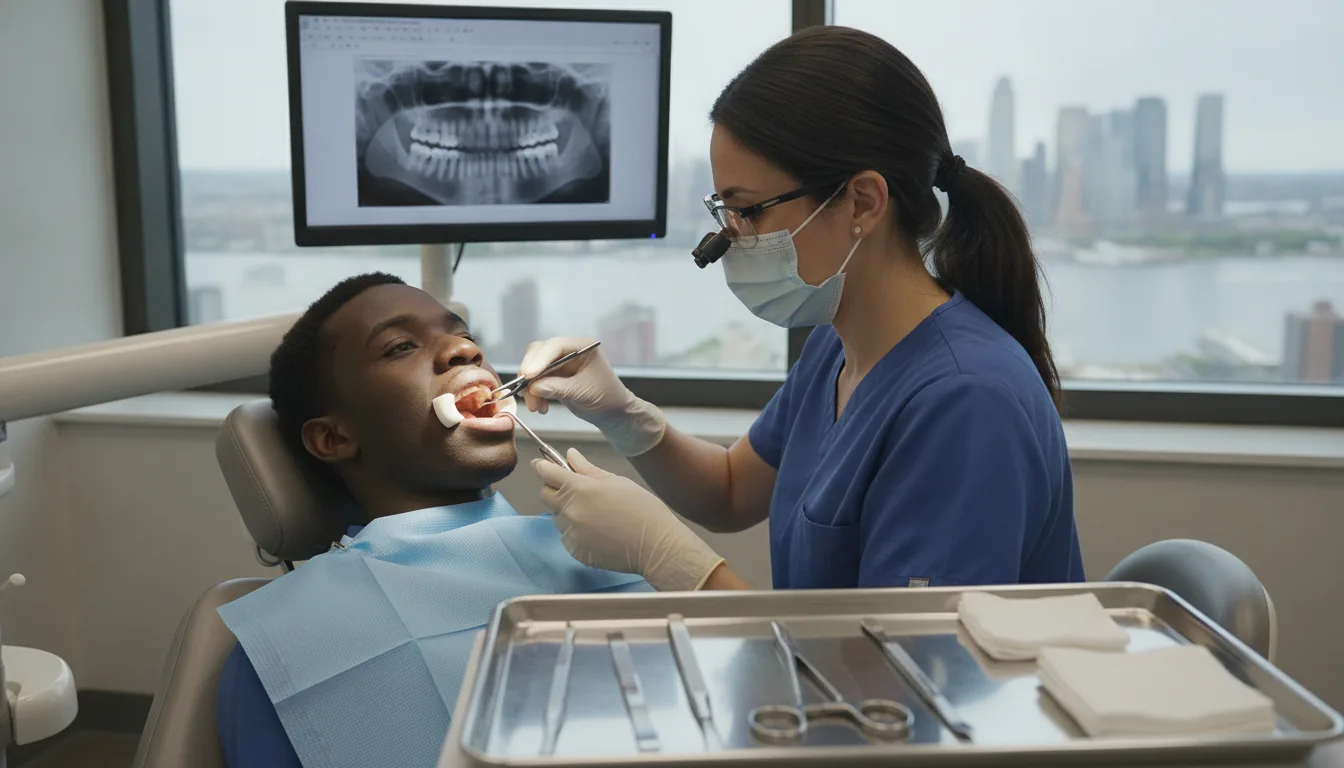
If you've felt rushed at chain practices and you want the dentist to actually walk through your X-rays in detail before any treatment, smaller solo offices like this one tend to fit that preference by default.
Patients searching for long-time family dentist in Brooklyn, NY, family dentist in Brooklyn, or general dentistry in Brooklyn, NY who prefer solo-practice continuity over chain efficiency often gravitate toward offices like this. Brooklyn Mint fits that solo-practice pattern. The new-patient exam combines comprehensive X-rays, periodontal screening, and a treatment-plan walkthrough at a pace that leaves room for questions. For Boerum Hill, Cobble Hill, and Carroll Gardens residents looking for a dentist they'll see across years rather than across rotations, this Pacific Street solo practice is a reasonable first appointment. It's worth asking whether the practice files insurance directly or expects payment up front and reimbursement separately, because the answer materially shifts how much you pay out of pocket on the visit day.