Suite 707, 1, Hanson Place, Fort Greene, Brooklyn, Brooklyn, New York
Closed · Opens Monday at 9 AM
Documented for wisdom teeth removal in Brooklyn, with oral cancer on the service list and 5 procedures on file.
More about oral cancer at this clinicHide
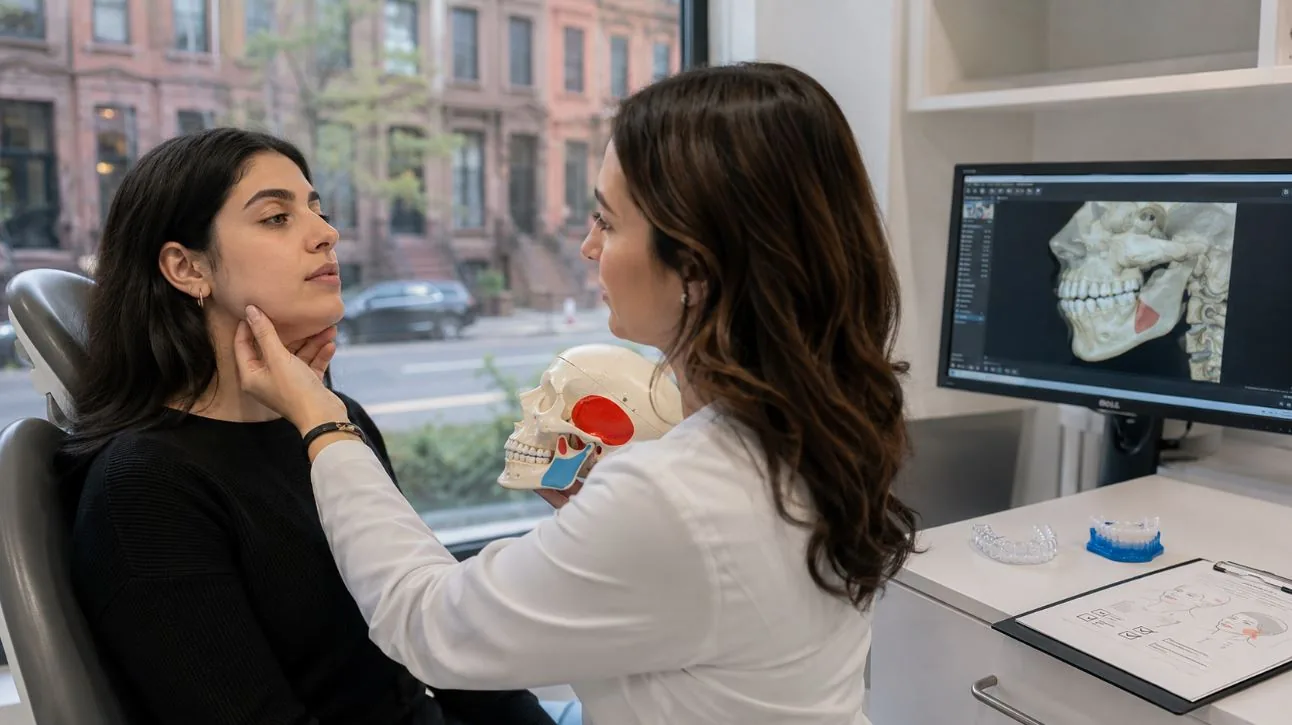
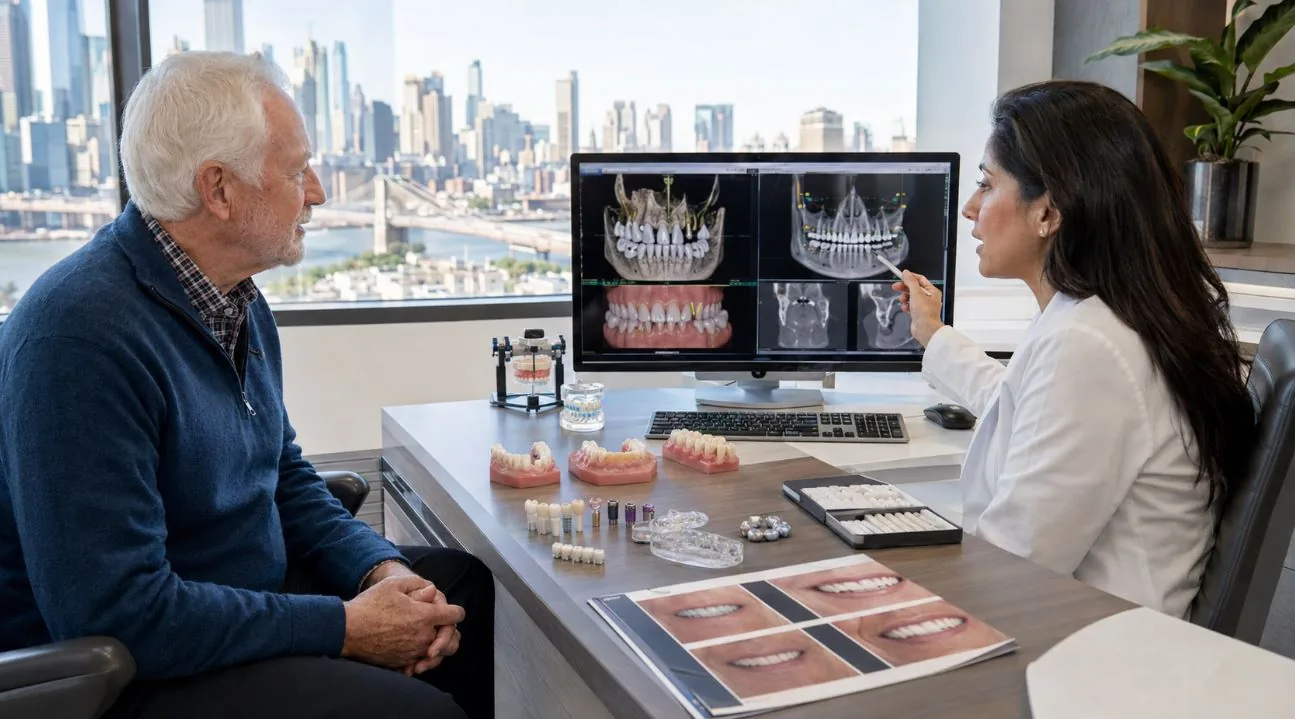
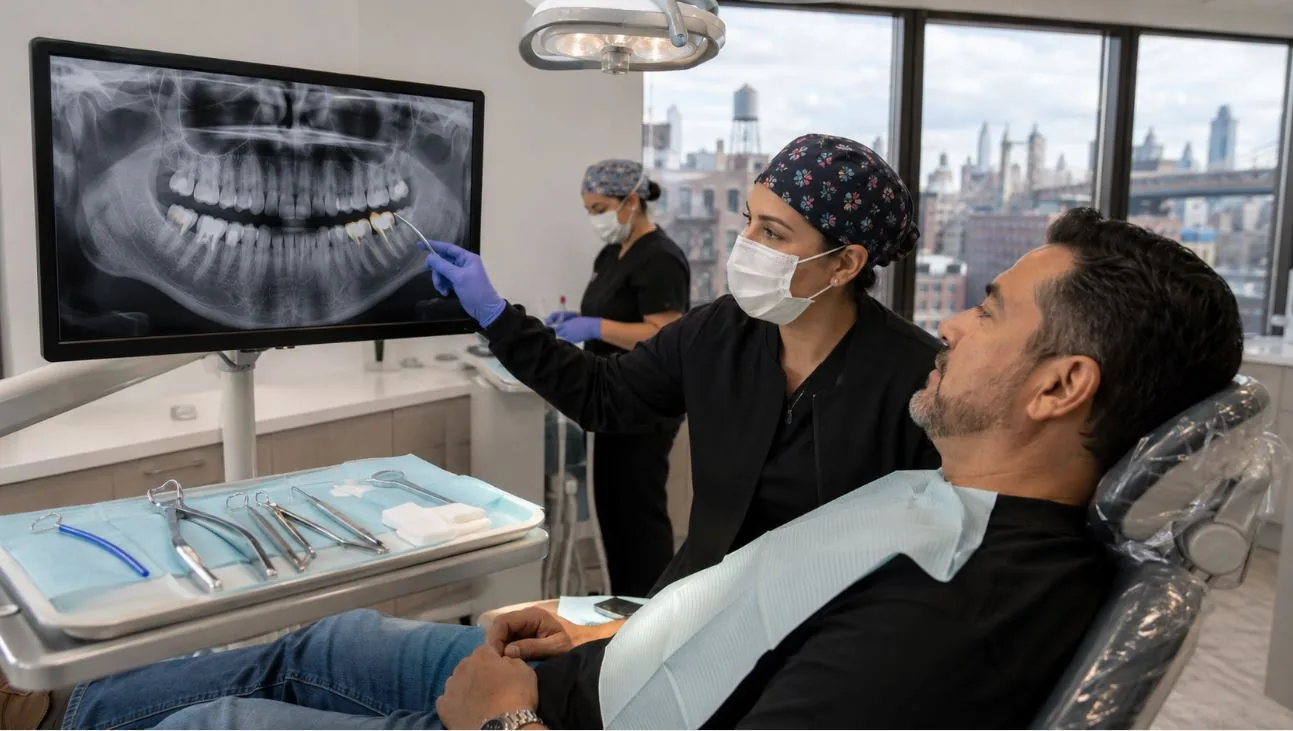
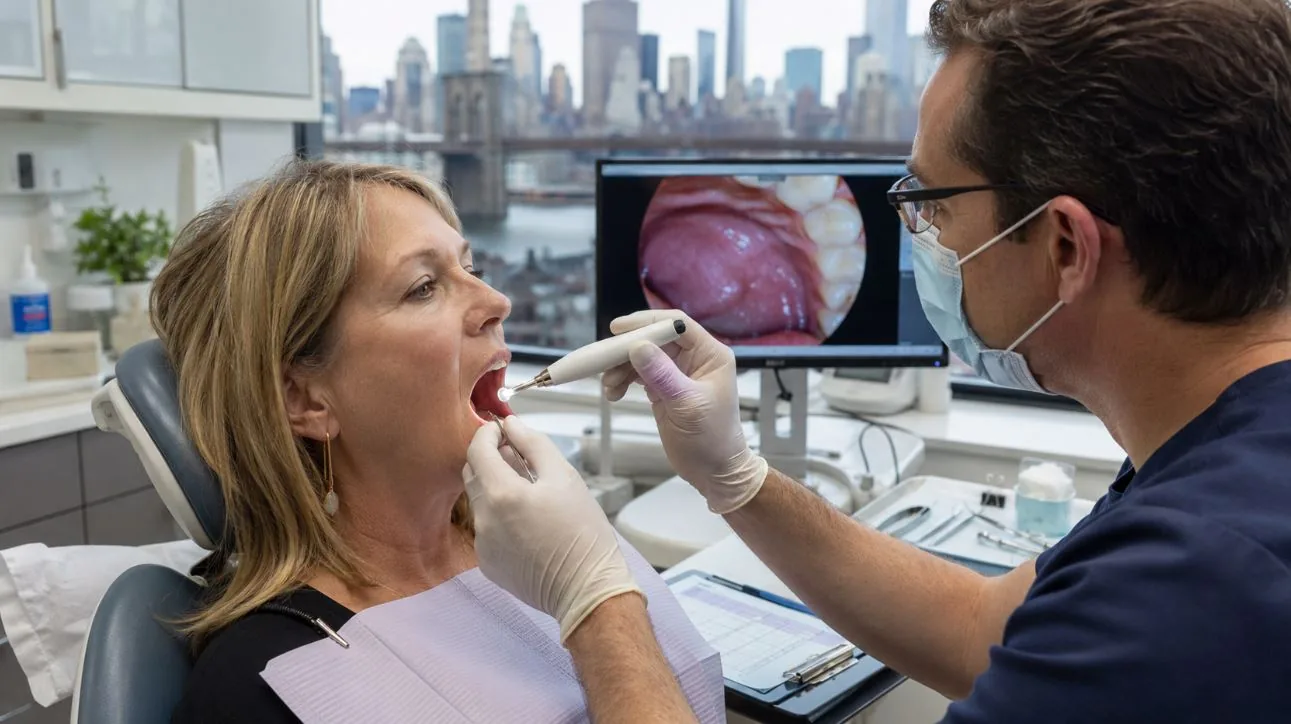
Based on Hanson Place in Brooklyn, New York, All County Oral & Maxillofacial Surgery - Brooklyn is a dental practice serving the area. Oral surgery covers procedures beyond routine treatment — surgical extractions including impacted wisdom teeth, implant placement, and bone grafting among the more common ones. Oral and maxillofacial surgery covers surgical conditions of the face, jaw, and mouth, from wisdom teeth and jaw realignment through to facial trauma and reconstruction, carried out by surgeons trained in both dentistry and surgery. Oral cancer screening is a standard part of a routine dental checkup — a visual and physical examination of the soft tissues looking for sores, lumps, or patches that have not healed. Contact details for All County Oral & Maxillofacial Surgery - Brooklyn are on this page, along with the full list of services offered — reach out to ask about scheduling.