Flatlands Family Dental sits on Flatlands Avenue in the Canarsie section of southeast Brooklyn, in the same kind of family-dentist storefront the neighborhood has had for generations. The patient mix runs heavy on multi-generational households where the kids and the grandparents both come in, and the practice is set up around that — broad general dentistry rather than narrow specialty work, with the same dentist seeing patients across years and life stages.
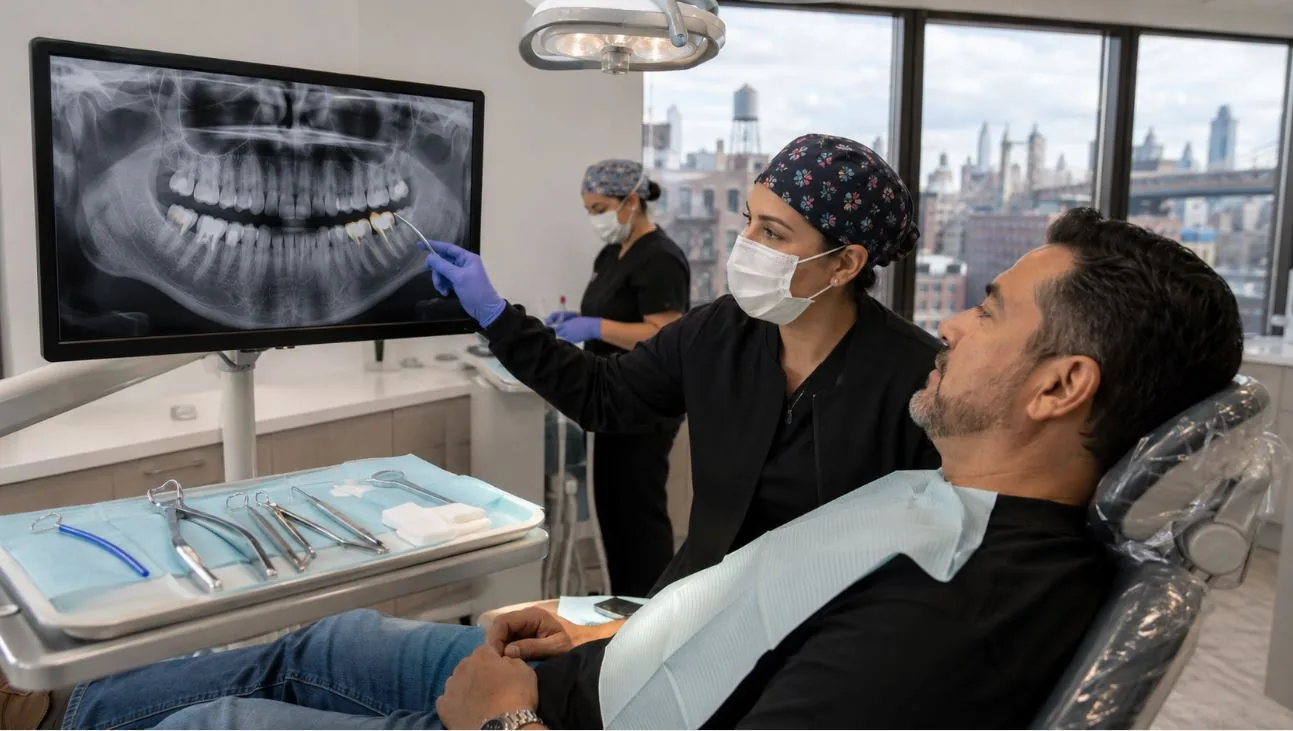
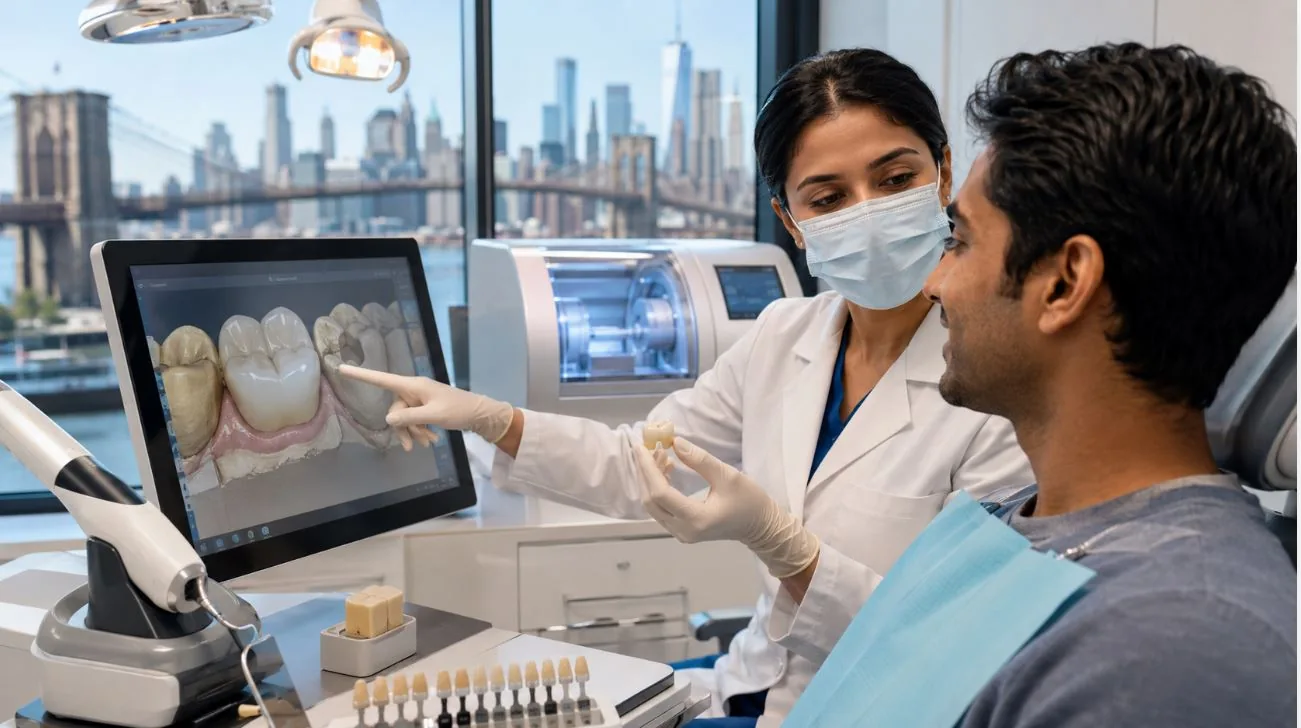
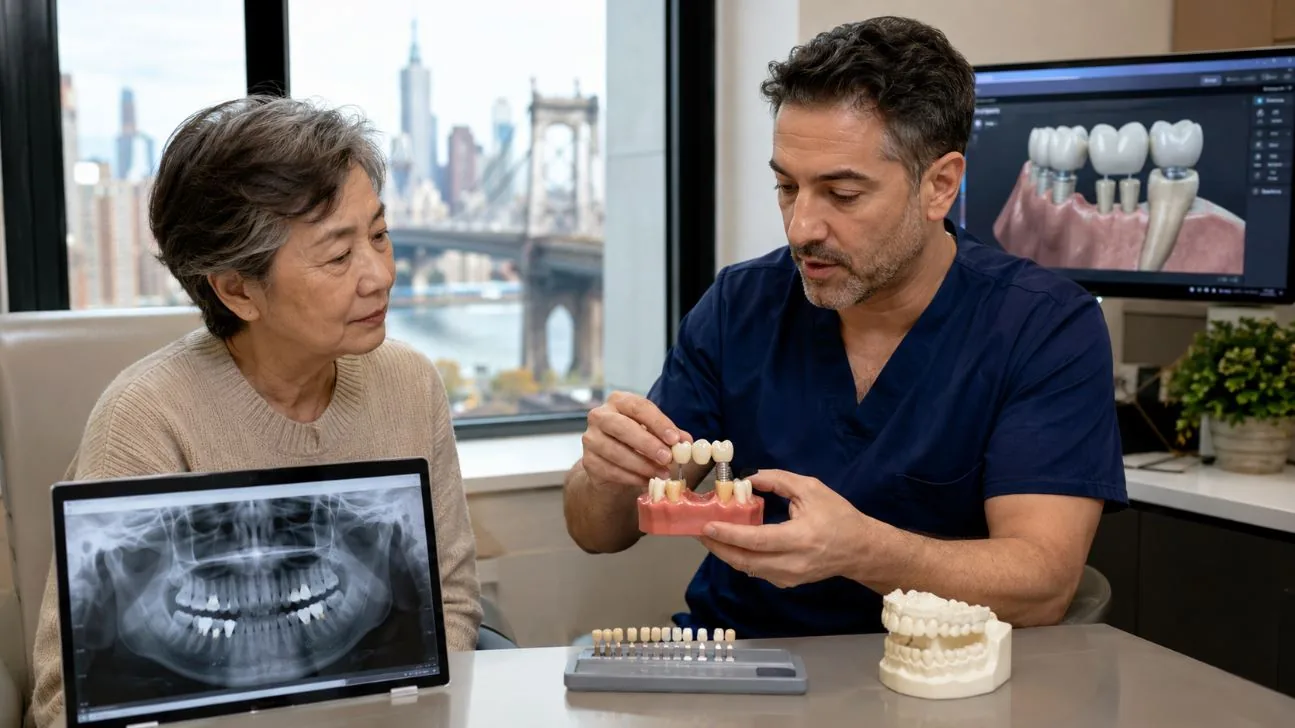
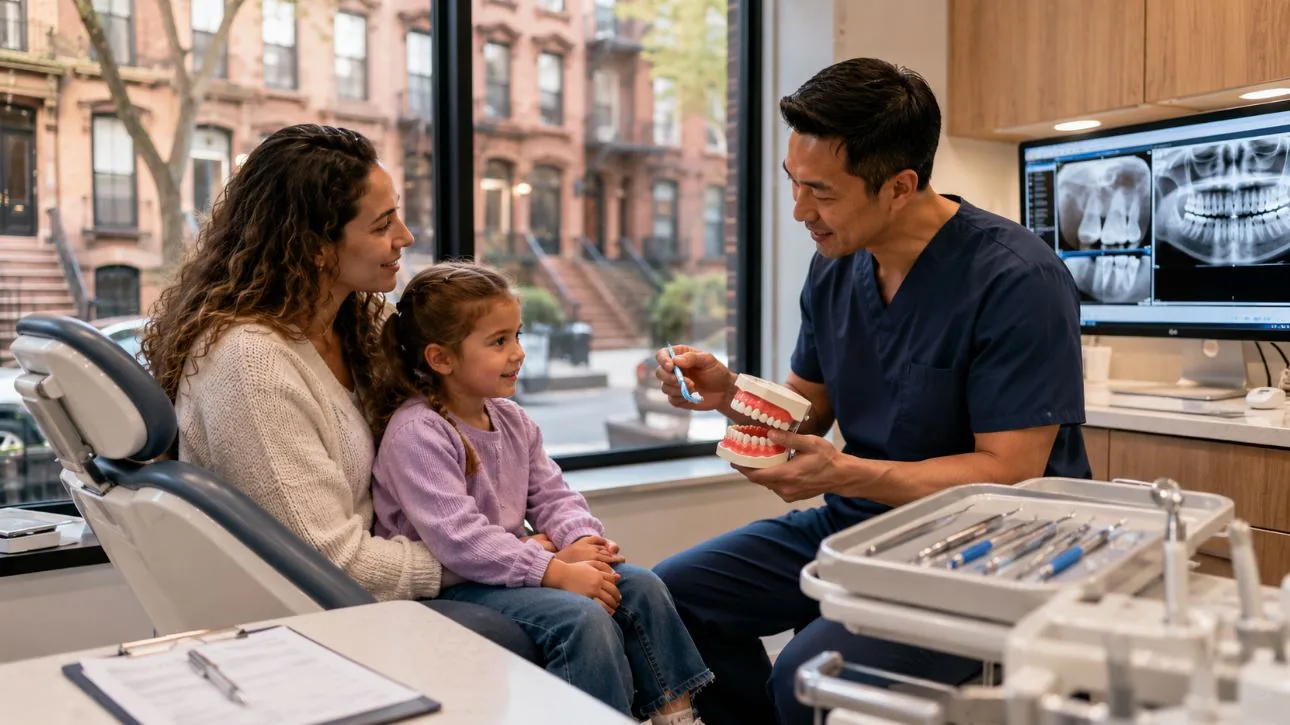
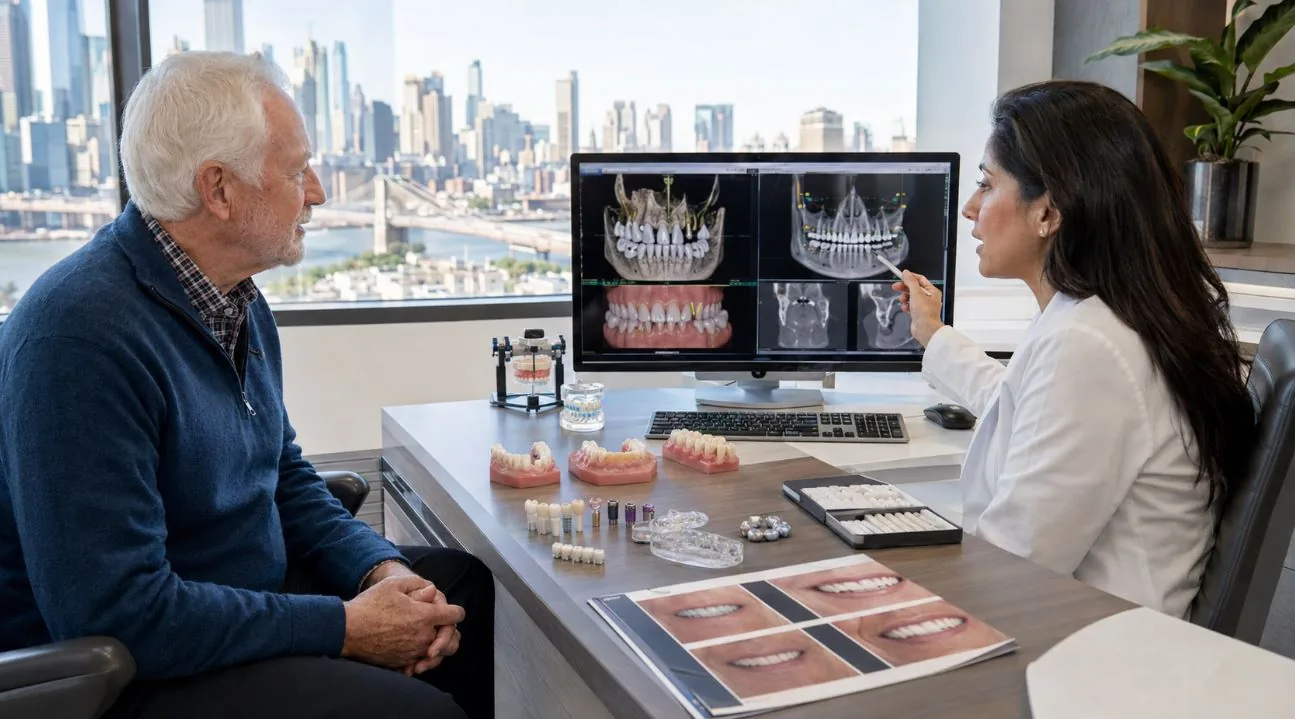
Cavity work uses tooth-colored composite materials by default, with the team handling single-surface fillings, multi-surface restorations, and the call between filling and crown when a tooth's been compromised by larger decay. Beyond fillings, services cover cleanings and exams, root canal treatment for teeth where decay has reached the nerve, crowns and bridges for structural work, basic extractions, gum-disease screening, and emergency visits when a tooth flares up unexpectedly. The team will walk you through the X-rays before any treatment so you can see the cavity or fracture and understand why the recommendation is what it is.
If you're new to Canarsie and looking for a dental practice that doesn't feel like a chain — one that knows your name in three years rather than rotating you through a roster — this is closer to that older neighborhood-dentist model.
Patients searching for family dentist in Brooklyn, dentist accepting new patients in Brooklyn, NY, or routine dental care in Brooklyn often gravitate toward smaller independent practices like this one when continuity matters more than volume. Plan on a comprehensive new-patient exam first — full X-rays, periodontal screening, treatment-plan review — before booking any restorative work. For Canarsie, Flatlands, and East Flatbush families weighing where to anchor regular dental care across generations, this Flatlands Avenue practice is a sensible first appointment and the kind of place that tends to keep patients across decades rather than across single visits. Six-month recall scheduling is the strongest predictor of which patients catch problems early, and most practices will book the next visit before you leave the current one if you ask while you're checking out.